
Quick answer
What board should I buy if I've never surfed?
- BoardSoft-top (foam) with plenty of volume, typically 8'0" to 9'0" and roughly 70 to 100 litres.
- OrderLessons first (5–10 sessions), then rent or buy. Don't skip straight to fibreglass.
- Skip for nowShortboards, low-volume shapes, and online volume calculators until you catch whitewater consistently.
- EssentialsLeash always on. Wetsuit or rash vest depends on water temperature where you surf.
Not sure of your level? Take the skill assessment.
Real experience
From Johann, founder of Sticks.surf. Same mistakes rookies still make today.
What I wish I'd known
My first real ocean session was at La Torche in France. The swell was far too big for a first timer. Waves were up to 6 foot. Friends steered me onto a bodyboard instead of a surfboard and it was definitely the right call. I was a lifeguard and had done 10 years of competitive swimming in the pool. It was an absolute blast and an epic fight. On my last wave, after a wipeout, I washed up on the beach exhausted and hooked.
Soon after I bought my first surfboard. It was a 6'10 plastic shape. There weren't really soft-tops around then. People told me it was a bit short for me. I bought it anyway, thinking it would be fine. It wasn't. Too little volume for how often I could surf. I spent about a year struggling for proper waves. I kept at it, but a longer, higher-volume board (or more time on school foam before buying) would have saved me months and made me a better surfer much faster.
- Start on small, gentle waves, not the best swell of the season.
- Foam, rental, or bodyboard before you commit to a hard board.
- Rent and take lessons before you buy. Beginner on the label does not mean the right size for you.
Path
Your first four steps
Lessons and safety before equipment. Same order every rookie should follow.
Professional instruction is the fastest, safest way to learn. Non-negotiable for rookies.
Find coachesUnderstand rips, tides, and how to fall away from your board before going solo.
Use school boards or rent a soft-top. Focus on paddling, balance, and whitewater rides.
Move to fibreglass after you stand consistently in whitewater, usually 6 to 12 months.
Beginner guideLessons
Surf school or private coach?
Surf schools are a solid way to learn to stand up on foam in a safe, structured setting. When you want to move past whitewater into paddling out, reading waves, and catching unbroken waves, a surf coach usually gets you there faster with less frustration. Plenty of people do both: a school for the first sessions, then a coach when you are ready to surf for real.
Local marketplace
For your next board, local shapers are worth talking to
Your first sessions belong on rental foam or a school board. Once you know you are sticking with it, a shaper near you can shape a beginner-friendly board with volume matched to your size and the waves you actually surf. They can also point you to the right breaks to learn on locally. That beats guessing from a generic size chart online.
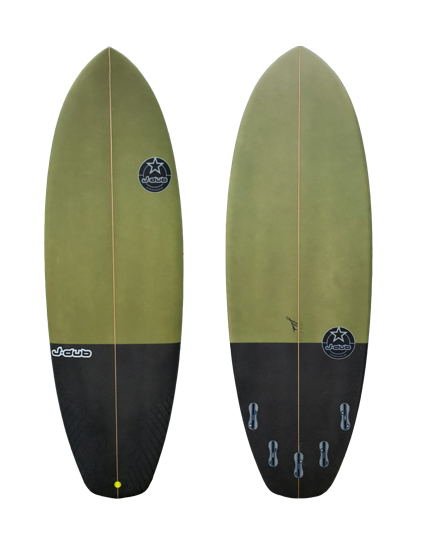
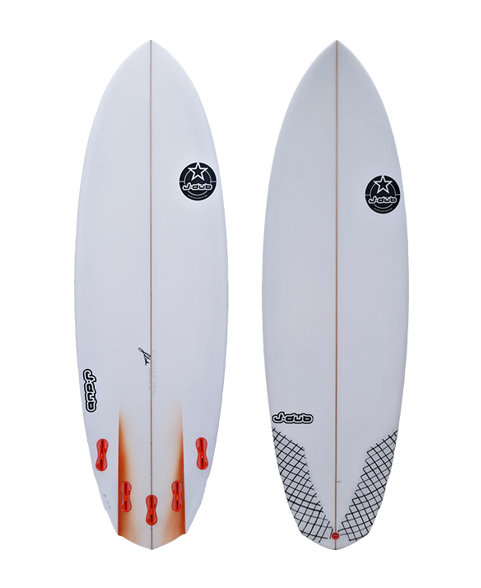
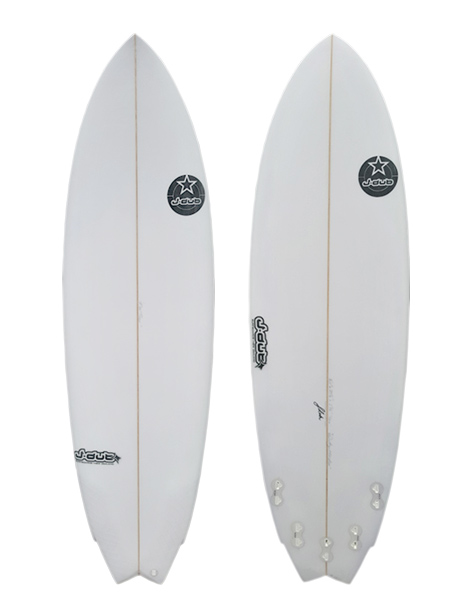
9 custom boards from local shapers
Avoid these
What mistakes do first-time surfers make?
Can I teach myself to surf?
Not safely as a rookie. Self-teaching leads to bad habits, slow progress, and real risk in the ocean. Take at least 3–5 lessons before practising on your own.
Should I buy a shortboard to look the part?
No. A board that's too small won't catch waves and kills motivation. Choose the biggest, most stable soft-top you can. Ego is expensive.
Is it OK to surf alone as a complete beginner?
No. Always surf with a school, experienced friends, or in a supervised beginner area. If something goes wrong, you need help nearby.
Budget
How much does it cost to start surfing?
Illustrative USD. Adjust for local lesson and gear prices.
| Just trying | Getting started | Committed | |
|---|---|---|---|
| Lessons (priority) | 3 sessions (~$150) | 5 sessions (~$125) | 10 sessions (~$200) |
| Board | School / rental | Entry foam ~$150 | Premium foam ~$300 |
| Essentials | Sunscreen | Leash + wax | Wetsuit + bag |
| Rough total | ~$170 | ~$320 | ~$650 |
Lessons first, equipment second
Professional instruction is the best spend as a rookie: safer, faster, and fewer expensive mistakes.
Find surf coachesAnswers
Rookie frequently asked questions
I've never surfed before. Is it really that hard to learn?
Most people can stand within their first few lessons with proper instruction. Start with realistic expectations, the right board, and a coach. Focus on small wins, not perfection.
Do I need to be a strong swimmer?
You should be comfortable in the water and able to swim basic distances. Water confidence matters more than Olympic fitness. If you're unsure, build swimming confidence first.
How many lessons before I surf alone?
Most rookies need 5–10 lessons before going independent. That covers safety, wave reading, paddling, and standing in whitewater. Don't rush this phase.
Is surfing dangerous for beginners?
With lessons, soft-top boards, and small waves in a beginner area, risk is manageable. Surf with others, use a leash, and never paddle out in conditions above your level.
What size waves should I start on?
1–3 ft (ankle to waist high) whitewater or gentle unbroken waves. Enough push to learn, not enough to overwhelm. Check with local schools or lifeguards.
Surf school or private coach?
Surf schools are a solid way to learn to stand up on foam in a safe, structured setting. When you want to move past whitewater into paddling out, reading waves, and catching unbroken waves, a surf coach usually gets you there faster with less frustration. Plenty of people do both: a school for the first sessions, then a coach when you are ready to surf for real.
Should I buy a board right away or rent?
Rent or use school boards for your first 5–10 sessions. Once you're committed and know what size works, buying makes sense.
Safety
Before you paddle out
Don't
- Surfing alone before you're ready
- Paddling out in conditions above your level
- Learning in a hazardous spot instead of a beginner beach (river rocks, debris, etc.)
- Entering the water without checking conditions
- Skipping your leash
- Ignoring local warnings or surf advisories
Do
- Take professional lessons before going solo
- Start in designated beginner-friendly areas
- Check conditions with locals or lifeguards
- Use a soft-top board for your first board
- Practice falling away from the board
Ready for your first session?
Book lessons, talk to a local shaper when you are ready for your next board, or read the beginner guide when you outgrow foam.