
Quick answer
What board should I buy after my soft-top?
- Who this is forYou stand consistently on foam, catch some unbroken waves, and want your first fibreglass or hybrid board — usually after 6–12 months.
- Board typeFunboard or mini-mal, 7'6"–9'0". Volume at or above your weight in kg (e.g. 75 kg → 75 L minimum as a starting point).
- Not yetPerformance shortboards. They look cool; they will stall your progression if you jump too early.
- Best next stepTalk to a local shaper or coach who knows your break — volume charts alone miss wave type and how often you surf.
Not sure where you sit? Take the skill assessment or read the intermediate guide if you are already linking turns.
Path
Four steps to your first hard board
Volume and local knowledge before brand names.
You should catch unbroken waves sometimes and trim along the face — not just whitewater to shore.
Take skill assessmentUse your weight in kg as a floor, then add volume if your waves are weak or you surf less than weekly.
Epoxy is lighter and tougher — practical for a first hard board. PU feels more planted in chop.
A shaper or coach near your break beats guessing from a generic size chart.
Browse local shapersSizing
What length and volume do beginners need?
Start with volume at or above your weight in kilograms, then adjust up for weak waves or infrequent sessions. Length follows volume — these ranges are typical for funboards and mini-mals.
| Your weight | Board length | Volume | Width |
|---|---|---|---|
| 50–65 kg | 8'0" – 8'6" | 45–55 L | 22" – 23" |
| 65–80 kg | 8'6" – 9'0" | 50–60 L | 22.5" – 23.5" |
| 80–95 kg | 9'0" – 9'6" | 55–65 L | 23" – 24" |
| 95 kg+ | 9'6" – 10'0" | 60–70 L | 23.5" – 24.5" |
Construction
PU or epoxy for a first fibreglass board?
Best for: First fibreglass board for most beginners
- Lighter and more durable
- Paddles easily — helpful when wave count matters
- Can feel lively in bumpy surf
Best for: Surfers who want a planted, traditional feel
- Sits lower in the water
- Dampens chop well
- More ding-prone — repair dings promptly
Local marketplace
Local shapers build for your waves
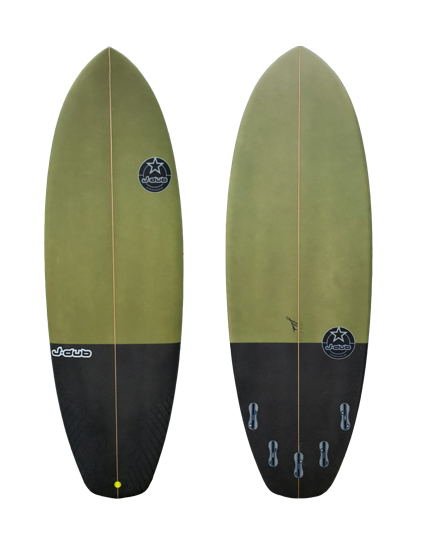
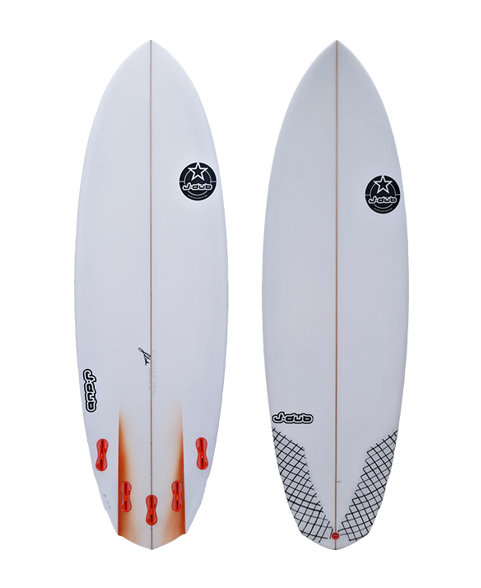
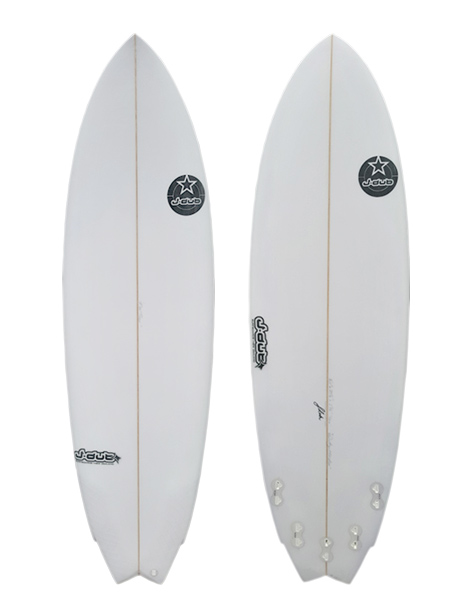
Your first fibreglass board should match the waves you actually surf — not a stock template from a warehouse. A shaper near you can dial volume, rocker, and width for your break and how often you paddle out. That conversation often costs the same as a big-brand board.
9 custom boards from local shapers
Catalog
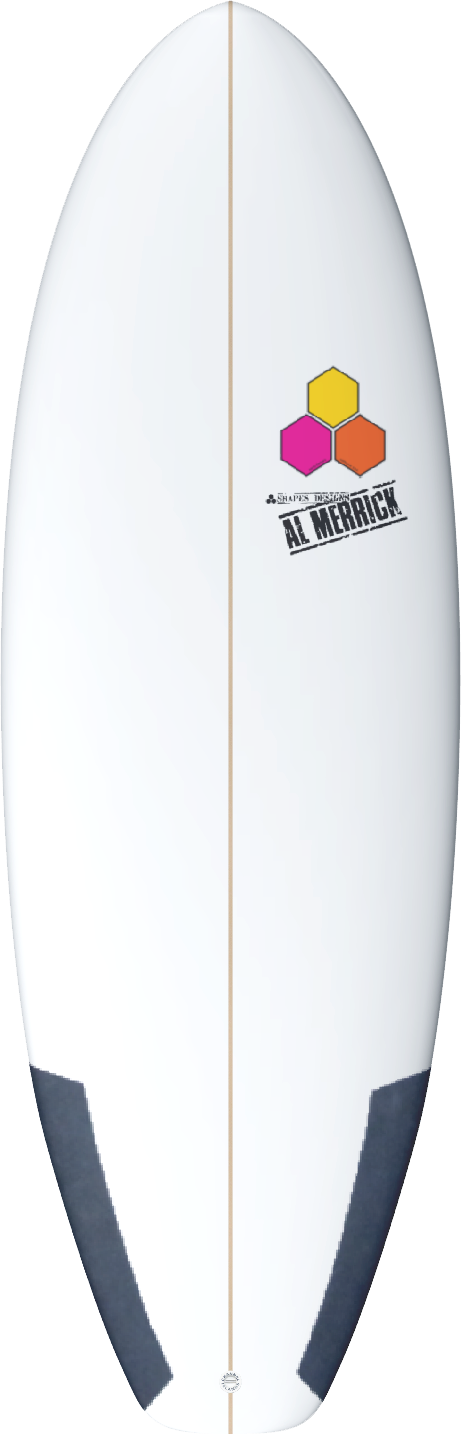
Beginner boards in our catalog
Compare specs across 300+ boards — use filters to narrow by volume and board type.


Coaching
Still building consistency?
If you are not yet catching unbroken waves regularly, stay on foam a bit longer and book a few coach sessions. Moving to fibreglass too early is the most common beginner mistake we see.
Avoid these
What mistakes do post-foam beginners make?
Should I buy a shortboard now that I'm off foam?
Not unless you catch unbroken waves consistently and can turn down the line. Most post-foam beginners need a funboard or mini-mal for another 12–18 months.
Can I rely on an online volume calculator?
Use it as a starting point only. Calculators ignore your local wave type, fitness, and how often you surf. A shaper or coach who knows your break will give you a tighter range.
Is a used fibreglass board OK for my first hard board?
Yes — if it is the right volume and has no waterlogging. Check for soft spots, delamination, and cracks near fin boxes. Minor deck pressure dents are fine.
What if I'm still struggling on my soft-top?
Stay on foam. There is no prize for upgrading early. Book a coach session and revisit this guide when you trim unbroken waves regularly.
Budget
How much does a first fibreglass board cost?
Illustrative USD for your first fibreglass or hybrid setup. Adjust for local prices.
| Budget | Standard | Custom shaper | |
|---|---|---|---|
| Board | Used hybrid ~$400 | New funboard ~$650 | Custom shape ~$750–950 |
| Fins + leash | Often included | ~$80 if not | Matched to board |
| Lessons / check-in | 1 session ~$60 | 3 sessions ~$180 | Shaper consult included |
| Rough total | ~$460 | ~$730 | ~$850+ |
Talk to someone who shapes for your break
A local shaper or coach beats a generic volume calculator — especially for your first hard board.
Find local shapersAnswers
Beginner board frequently asked questions
When should I move from a soft-top to fibreglass?
When the foam board limits your progression — usually when you catch unbroken waves, trim the face, and want more drive from the rails. If the board pushes water or feels dead on turns, you are ready to look at a funboard or mini-mal.
What size surfboard should a beginner get?
Prioritise volume and length over brand. A funboard or mini-mal between 8'0" and 9'6" with volume at or above your weight in kg is a reliable starting range. Wider and thicker beats shorter and prettier.
How much does a beginner fibreglass board cost?
Used hybrids run $400–650. New retail funboards $650–1,000. A custom board from a local shaper is often in the same range as premium retail — with dimensions matched to you.
PU or epoxy for my first hard board?
Epoxy is the practical default: lighter, tougher, easier to paddle. PU suits surfers who prefer a heavier, connected feel in messy conditions. Either works if volume is right.
Should I buy from a shaper or a surf shop?
Both are valid. Retail gets you riding faster if you know your size. A shaper gets you a board built for your weight, break, and goals — especially worth it if you surf regularly at one spot.
Safety
Before you paddle out on fibreglass
Don't
- Jumping to a shortboard for ego
- Surfing alone before you read conditions confidently
- Ignoring dings on fibreglass — waterlogging ruins boards
- Skipping a leash on your first hard board
Do
- Take a coach session when you switch from foam
- Start on small, familiar waves with your new board
- Rinse and dry your board after each session
- Repair dings within a day or two
Ready for your first hard board?
Browse the catalog, talk to a shaper, or book a coach session before you buy.